
Clinics managing chronic care programs face a recurring staffing problem. Monthly patient check-ins, documentation, and remote monitoring reviews take time. Front desk and billing staff often do not have that time available.
Many practice managers ask about the benefits of chronic care management virtual assistant support before adding in-house staff. This question comes up most in practices running Medicare CCM programs. These programs require consistent monthly contact and detailed time logs.
Missing those requirements affects both compliance and revenue. A virtual assistant trained in healthcare administrative work can take on these tasks.
Clinical staff are then free to focus on direct patient care. This article looks at where that role fits and where its limits are.
What Is A Chronic Care Management Virtual Assistant?

A chronic care management virtual assistant is a remote admin or clinical-support professional who manages scheduling, documentation, monitoring check-ins, and care coordination tasks for patients with chronic conditions, reducing the workload on in-house staff.
The role differs from a general healthcare virtual assistant in scope. It is often supported by healthcare technology built specifically for clinical workflows.
CCM-focused assistants work within structured protocols tied to Medicare billing requirements. This includes time tracking and monthly patient contact. They typically support patient engagement and review remote patient monitoring data.
They do not make diagnostic or treatment decisions. Clinical judgment remains with licensed staff at all times.
Benefits of Chronic Care Management Virtual Assistant For Clinic Operations
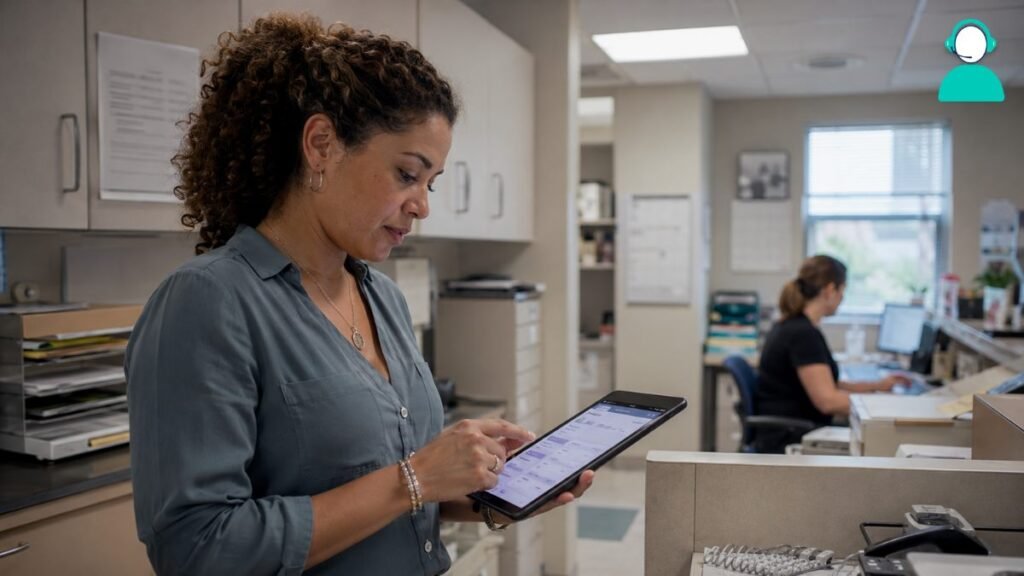
Administrative workload directly affects patient outcomes in chronic care programs. When staff have less time for coordination, patient follow-through declines. The benefits below outline where this role reduces that load.
1. Reduced Admin Burden On Front Desk Staff
Front desk and billing staff often absorb CCM paperwork on top of regular duties. This includes intake forms, monthly time logs, and insurance follow-up calls. A chronic care management virtual assistant can take over these recurring tasks directly.
This shifts administrative burden away from staff who also handle daily patient flow. Clinics report fewer scheduling conflicts and faster turnaround on documentation. The result is steadier CCM program management without overloading existing roles.
2. Improved Care Coordination Across Providers
Chronic care patients often see multiple providers across different specialties. Information gaps between providers can delay updates or duplicate work. A virtual assistant can relay updates between primary care, specialists, and care teams.
This includes confirming referral status and sharing recent lab results in the patient record. Telehealth visits add another layer, since updates from virtual visits also need distribution. Consistent updates help care coordination stay accurate across every visit.
3. Consistent Remote Patient Monitoring Support
Remote patient monitoring generates ongoing data that needs regular review. Without dedicated staff time, flagged readings can sit unaddressed for days. A virtual assistant reviews incoming device data on a set schedule.
They flag out-of-range readings for clinical follow-up and document each review. This keeps monitoring data connected to action instead of sitting in a dashboard. Clinical staff are then alerted only when intervention is actually needed.
4. Better Medication Adherence Tracking
Medication adherence affects both clinical outcomes and CCM compliance documentation. Patients often forget refill timing or stop reporting missed doses. A virtual assistant can schedule recurring check-ins to confirm refill status.
Responses get logged directly in the EHR for provider review. This creates a documented adherence record without requiring extra clinical staff time. Gaps in adherence are flagged earlier, often before they affect a patient’s condition.
5. Increased Patient Engagement Between Visits
Patients with chronic conditions need contact between scheduled visits, not only during them. Gaps in outreach often lead to missed appointments or disengagement. A virtual assistant handles routine reminders and check-in calls on a set schedule.
This maintains contact without pulling clinical staff away from in-office care. Regular outreach also surfaces concerns earlier, before they require urgent attention. Many clinics see fewer no-shows once patient engagement becomes more consistent.
6. Support For Chronic Disease Management Protocols
CCM programs require specific monthly touchpoints and accurate time logs for billing. Failure to meet these requirements can result in denied claims. A virtual assistant tracks required contact frequency and logs time spent per patient.
This keeps chronic disease management protocols on schedule without manual tracking by clinical staff. Documentation stays organized for audits or payer review. Billing teams get consistent records instead of reconstructing logs each month.
7. Lower Operational Costs Than In-house Staff
An in-house coordinator hire involves recruiting, training, and onboarding time. Salary and benefits costs continue regardless of patient volume fluctuations. A virtual medical assistant role typically involves a shorter ramp-up period.
Clinics avoid expenses tied to office space, equipment, or paid time off. This approach supports cost reduction without compromising CCM program quality. It often suits practices with moderate or seasonal CCM patient volume.
8. Improved Patient Satisfaction Scores
Slow response times to routine patient questions affect satisfaction and retention. Front desk staff juggling multiple tasks cannot always respond immediately. A virtual assistant handles routine inquiries about appointments, refills, or program details directly.
Patients get faster responses without waiting for callback windows. This reduces friction in day-to-day communication with the clinic. Consistent, timely responses support stronger patient satisfaction over time.
Which Tasks Are Appropriate For CCM Virtual Assistant
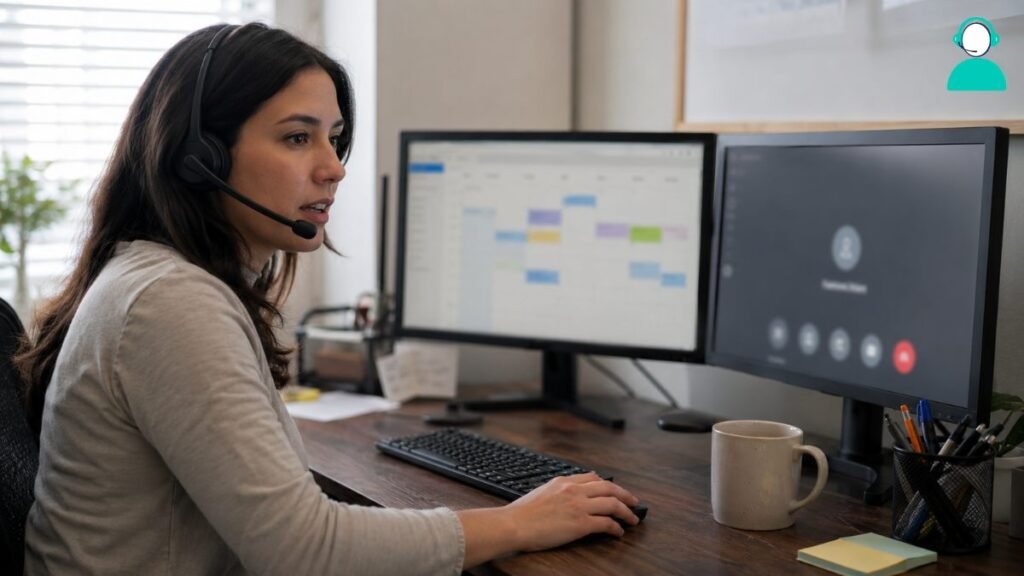
So, which tasks a CCM virtual assistant can do? Well, not every CCM-related task fits a virtual assistant role. Some functions require licensed clinical judgment, while others are purely administrative. The distinction below clarifies which tasks are appropriate to delegate.
1. Scheduling and Follow-up Coordination
Scheduling tasks suit delegation well because they follow predictable rules. A virtual assistant can book, confirm, and reschedule CCM appointments based on clinic availability.
They can also send reminders and follow up on missed visits. This keeps the calendar accurate without pulling clinical staff into administrative work.
Coordination across providers, such as confirming referral appointments, also fits this category. Most scheduling platforms allow remote access, so updates happen in real time.
2. Documentation and Charting Support
Documentation for CCM programs includes time logs, care plan updates, and visit summaries. These tasks are administrative but require accuracy for compliance purposes. A virtual assistant can enter structured data into the EHR based on provider notes.
They do not make clinical determinations or alter treatment plans. This keeps records current without adding to a provider’s documentation load. Many clinics pair this with basic workflow automation to route logged data automatically.
3. Insurance Verification and Billing Assistance
Insurance verification is repetitive but essential before CCM services are billed. Errors at this stage often lead to denied claims later. A virtual assistant can confirm eligibility, coverage, and authorization before appointments.
They can also prepare billing documentation for review by office staff. This reduces delays caused by incomplete verification at the point of service. Office staff can then focus on exceptions rather than routine checks.
4. Patient Outreach For Care Plan Check-ins
Care plan check-ins require regular contact, not clinical decision-making. A virtual assistant can call or message patients to confirm symptoms or medication status. They document responses and flag any concerns for provider review.
This keeps the care plan active between visits without requiring provider time for every contact. Patients with stable conditions benefit from this consistent, low-intensity follow-up. Any reported changes get escalated to clinical staff the same day.
Read our detailed guide on how CCM virtual assistants help patient follow-up.
How Clinics Maintain HIPAA Compliance With Virtual Assistants

A remote role raises valid questions about patient data security. HIPAA compliance depends on specific safeguards rather than physical location. The practices below address how clinics keep protected health information secure.
Data Access Controls and Permissions
Access to patient records should be limited by role and task. Virtual assistants typically need view or limited-edit access, not full system permissions.
Clinics can configure EHR settings so assistants only see information relevant to their tasks. This reduces unnecessary exposure to unrelated patient information.
- Role-based login credentials, not shared accounts
- Access limited to CCM-related fields only
- Activity logs reviewed periodically by clinic staff
Secure Communication Platforms
Patient communication must happen through HIPAA-compliant channels, not standard email or text. Virtual assistants should use secure messaging platforms approved by clinic policy. These platforms typically include encryption, audit trails, and access restrictions.
Clinics should confirm any communication tool meets these standards before granting access. This applies to phone systems as well as messaging tools. Vendor agreements should also specify these requirements in writing.
Staff Training and Confidentiality Agreements
Technical safeguards alone do not guarantee compliance without proper training. Virtual assistants should complete HIPAA training before handling any patient information. Clinics should also have signed confidentiality and business associate agreements in place.
These agreements outline data handling responsibilities and consequences for violations. Periodic refresher training helps maintain awareness as policies or systems change. This expectation should be documented in the clinic’s compliance manual.
Final Thoughts
The benefits of chronic care management virtual assistant support fit specific operational gaps. This role does not replace clinical judgment. Clinics that delegate scheduling, documentation, and outreach typically reduce administrative load on in-house staff.
The right fit depends on patient volume and existing staff capacity. Before adding a virtual assistant role, practice managers should map current workflows. They should confirm which functions are appropriate for delegation.