A defined review lane makes RPM easier to manage. Assistants can check incoming data, note reporting problems, prepare platform updates, and send alert information through the clinic’s approved process.

Unread vitals can sit quietly while patient appointments keep moving. VA Health Plus offers remote patient monitoring in Riverside to support reading review, alert routing, device-use calls, and RPM platform updates.
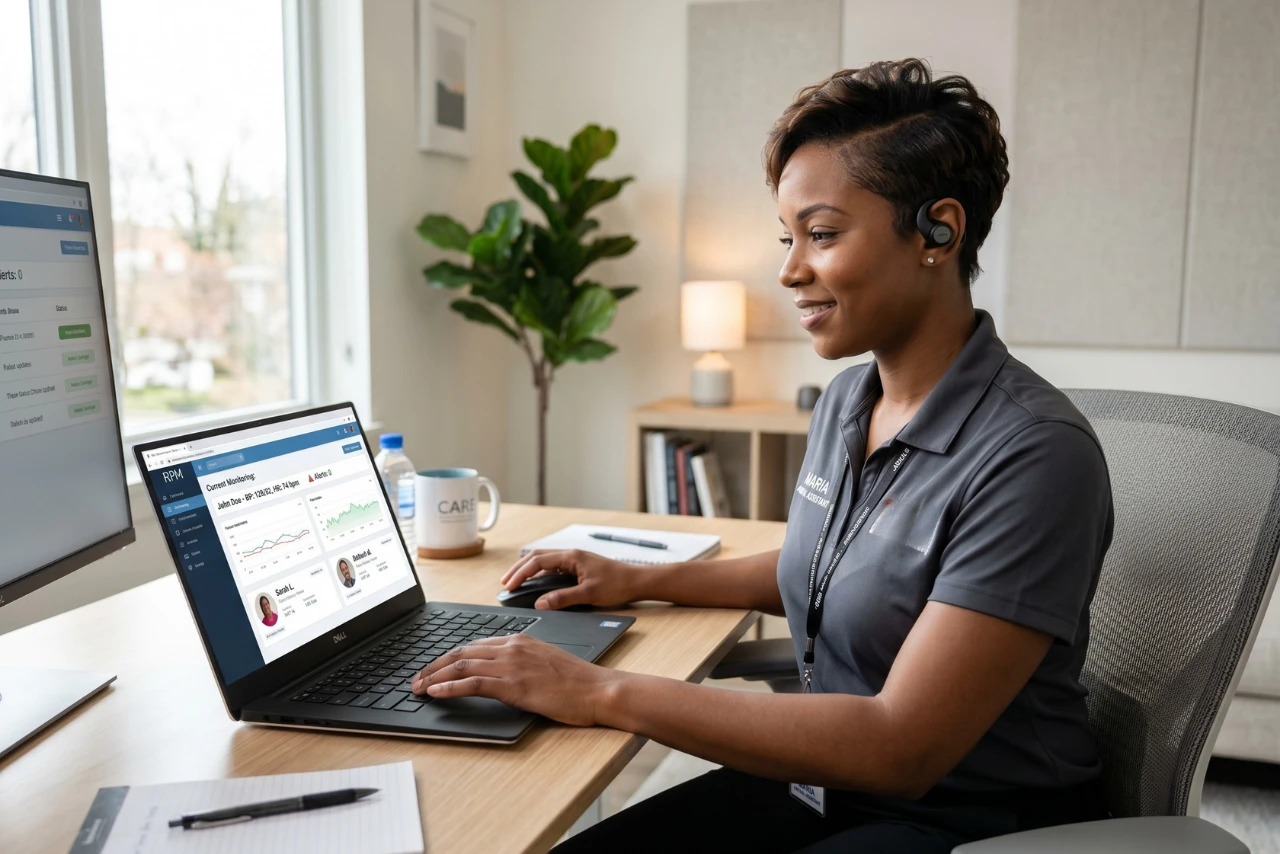
In Riverside clinics, RPM data may arrive before the provider sees the patient again. Blood pressure, glucose, oxygen, pulse, and weight readings can show useful movement when someone reviews them on time.
The challenge is keeping every reading visible. Clinics managing remote patient monitoring in Riverside need a clear process for same-day review, missing submissions, abnormal values, and patient device questions.
A defined review lane makes RPM easier to manage. Assistants can check incoming data, note reporting problems, prepare platform updates, and send alert information through the clinic’s approved process.
RPM support fits clinics where home readings guide follow-up decisions, but staff do not have time to keep checking dashboards during the day.
These clinics need device data handled before it loses clinical value.
RPM creates a daily flow of information that needs sorting, checking, and communication. Virtual assistants support the administrative side of monitoring so staff are not repeatedly pulled into device queues.
Assistants check submitted readings during the review windows your clinic defines. This keeps patient vitals from remaining unseen until staff have a break.
Remote patient monitoring assistant in Riverside can identify readings that match the criteria. Providers make all clinical decisions, while assistants move the information to the right place.
Patients may forget to submit readings, enter partial data, or call because a device did not sync. Assistants can support these approved communication steps.
Reading checks, missed submissions, device calls, and alert routing should be documented clearly. Assistants help keep the RPM record aligned with daily monitoring activity.
RPM work needs its own rhythm because readings arrive outside normal visit timing. A patient may submit vitals in the morning, while the clinic is already managing calls and rooming.
Assistants help organize routine vitals, pending reports, and incomplete submissions. This gives staff a cleaner view of what needs attention without repeatedly checking every entry.
When readings meet your clinic’s rules, assistants send the update through the selected channel. Providers receive clearer information rather than scattered notes or repeated verbal reminders.
Assistants work within your existing monitoring platform, EHR documentation process, and communication rules. The goal is support inside your process, not a new system.
Clinics using virtual patient monitoring in Riverside need help that understands device data movement.
Practices comparing the best remote patient monitoring services in Riverside often want dependable reading oversight, not general administrative coverage.
Clinics offering remote patient monitoring services in Riverside benefit when device readings, alerts, and patient reporting issues are treated as active monitoring work.
We review how readings enter your platform, how alerts appear, and where patient device issues are handled.
Your clinic is matched with support familiar with RPM queues, device communication, and monitoring documentation.
Reading windows, alert routing, patient contact steps, and documentation expectations are confirmed before support begins.
The assistant starts checking assigned remote patient monitoring tasks and adjusts as patient reporting volume changes.
Patient data works best when it is reviewed while still current. For Riverside clinics, VA Health Plus brings structure to reading queues, device calls, alert routing, and RPM documentation.

Yes. Assistants can review readings during the coverage times your clinic sets. Same-day review depends on platform access and clinic instructions.
Assistants follow your escalation rules and route concerning readings. Providers remain responsible for interpretation, treatment decisions, and clinical follow-up.
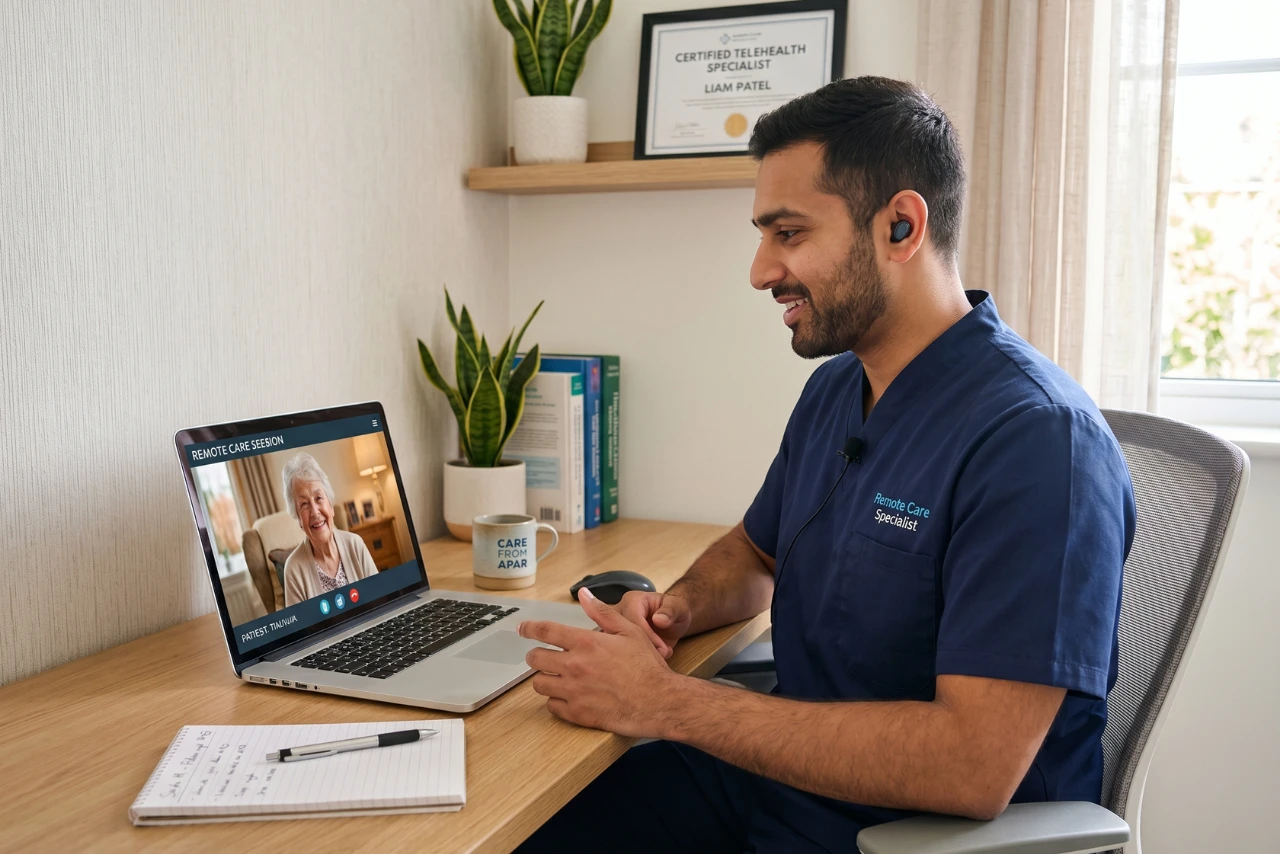
Yes. Assistants can contact patients about missing readings, syncing concerns, reporting routines, or incomplete submissions using your approved process.
No, assistants can organize glucose, blood pressure, oxygen, pulse, or weight readings for provider review. Clinical interpretation remains with licensed staff.
Yes. Assistants work inside your current RPM platform after onboarding, access setup, and workflow instructions are completed.
Yes. Even small RPM programs need reading checks, missing submission follow-up, alert routing, and clear platform notes.