When RPM readings follow a set review path, staff can see which values were checked, which patients need outreach, and which alerts require provider attention. The process becomes easier to verify.


Vitals do not always look urgent until trends are compared. For clinics needing remote patient monitoring in Pasadena, VA Health Plus supports reading review, alert routing, device communication, and timely RPM notes.
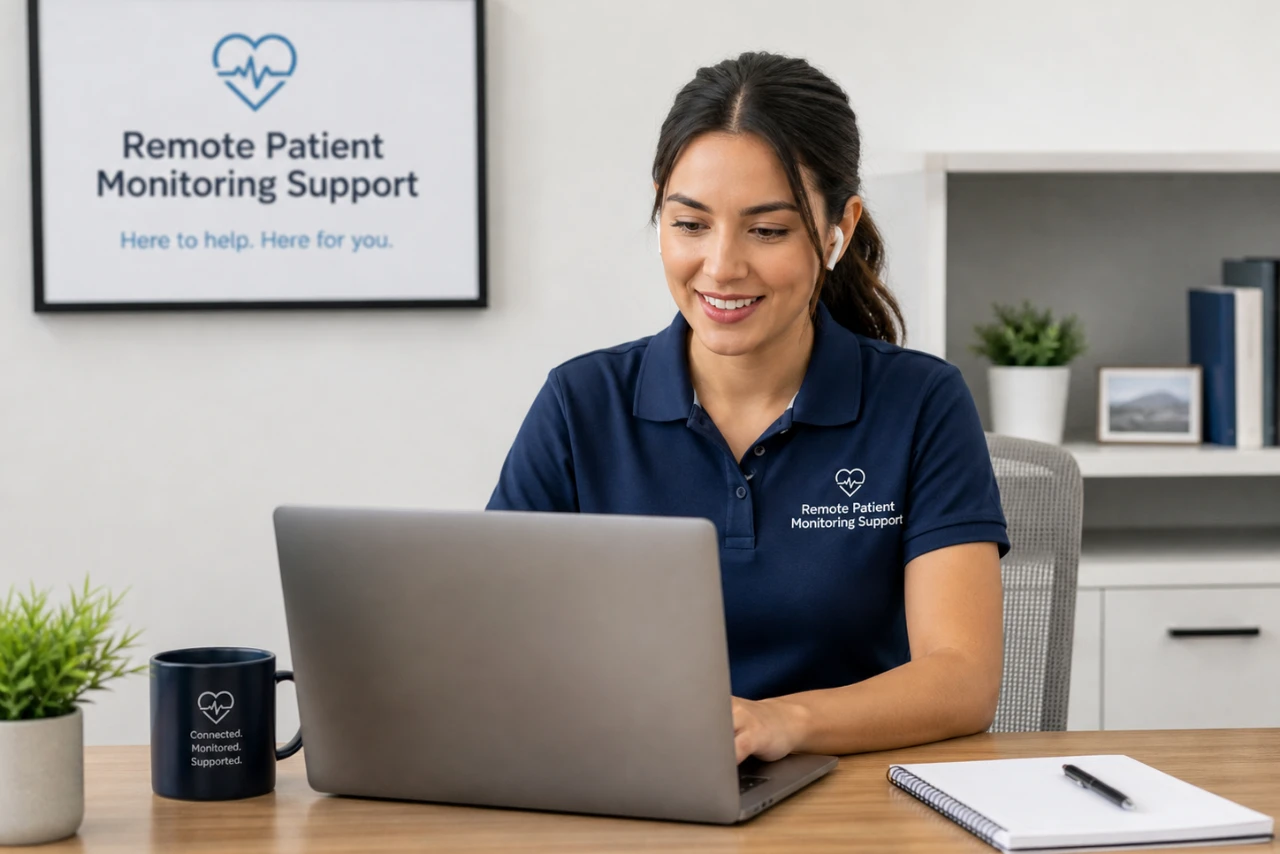
Pasadena clinics running RPM programs may receive patient readings long before the next scheduled visit. Blood pressure, glucose, oxygen, pulse, and weight entries can all point to changes that need timely review.
That is where remote patient monitoring in Pasadena needs a more defined review process. Instead of treating device data as a passive dashboard, clinics need a routine that gives every reading a status, every alert a route, and every reporting gap a next step.
When RPM readings follow a set review path, staff can see which values were checked, which patients need outreach, and which alerts require provider attention. The process becomes easier to verify.
RPM support fits clinics where patient readings influence follow-up decisions, but internal staff cannot keep returning to dashboards throughout the day.
These practices need device data handled before it becomes less useful.
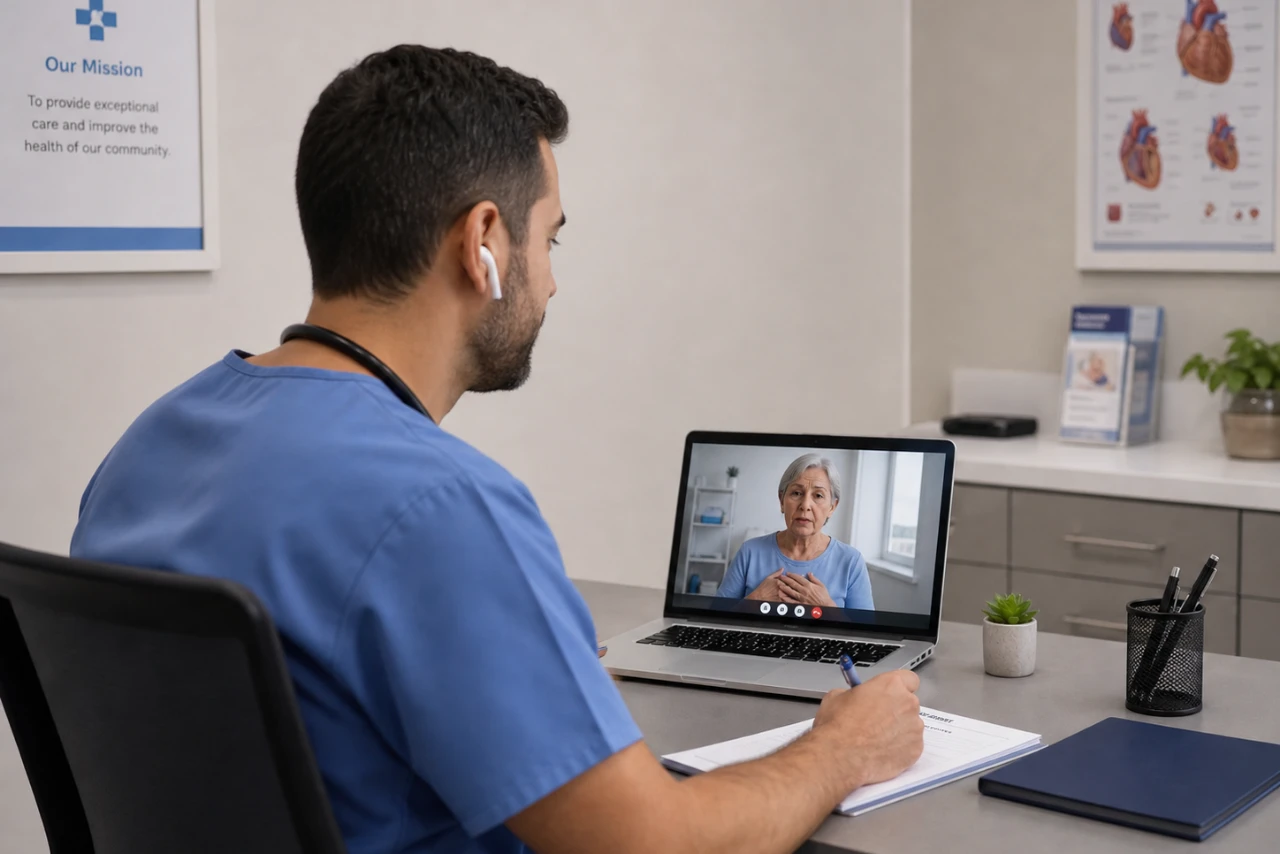
RPM creates many small actions that are easy to overlook. Virtual assistants support the non-clinical work around reading status, patient reporting, alert movement, and platform documentation.
Assistants help organize incoming values by review windows, device type, and clinic rules. This keeps reading queues from becoming mixed with unrelated administrative tasks.
A remote patient monitoring assistant in Pasadena can flag readings that meet your critical range. The assistant does not interpret results, but helps move important values to the right reviewer.
Patients may submit incomplete entries, miss scheduled readings, or call because a device is not transmitting. Assistants can follow up using the clinic’s approved patient communication process.
A reading alone does not show what happened next. Assistants help record review activity, patient outreach, alert routing, and unresolved reporting issues inside the RPM workflow.
RPM needs timing, not just availability. A clinic may receive several readings before the first appointment, more during lunch, and additional entries near closing time.
Assistants can begin with pending readings, overnight submissions, and values waiting for review. This gives the clinic an earlier view of what needs attention.
Values that match clinic rules can be sent through the proper channel. This keeps provider updates focused and reduces repeated checking of the RPM platform.
Before the day closes, assistants can update reading notes, unresolved patient contacts, and missing submission status. Staff can return to a cleaner RPM record the next morning.
For virtual patient monitoring in Pasadena, the value comes from structured handling of device data. The work is specific: reading checks, device communication, etc.
Practices comparing the best remote patient monitoring services in Pasadena usually want consistency around device readings, not broad administrative support that misses RPM details.
Each practice watches different patient signals. Clinics offering remote patient monitoring services in Pasadena benefit when device data is treated as active patient information with review timing, patient outreach, and clear documentation.

We review which readings your clinic receives, where alerts appear, and how patient reporting gaps are currently handled.
Your clinic is matched with support familiar with RPM dashboards, device communication, and reading-related documentation.
Review timing, escalation instructions, documentation notes, and patient contact steps are confirmed before work begins.
The assistant starts supporting reading checks, alert movement, patient outreach, and platform updates based on your process.
RPM becomes stronger when device data does not sit without review. VA Health Plus gives Pasadena clinics a steadier way to manage readings, alerts, patient device calls, and monitoring notes.

Yes. Assistants can check readings during the review times your clinic sets and organize values according to device type or priority rules.
No. They follow your escalation instructions. Licensed providers remain responsible for clinical interpretation, patient direction, and treatment decisions.
Yes. Assistants can follow approved scripts for missing submissions, incomplete entries, device syncing concerns, or reporting routine reminders.
They can help organize blood pressure, glucose, oxygen, pulse, weight, and other RPM readings your clinic tracks through its platform.
Yes. Assistants can record when readings were reviewed, when alerts were routed, and when patient contact attempts were made.
Yes. As patient enrollment grows, assistants help keep reading queues, reporting gaps, and platform notes from becoming harder to manage.