Remote patient monitoring services in Los Angeles review incoming device data, flag irregular values for providers, and coordinate patient check-ins so clinical staff stay focused on patient care.

Physicians in Los Angeles must review patient vitals, respond to trends, and adjust care plans while exam rooms remain full. VA Health Plus supports remote patient monitoring in Los Angeles. Our team coordinates device data, patient communication, and documentation so providers stay focused on treatment.
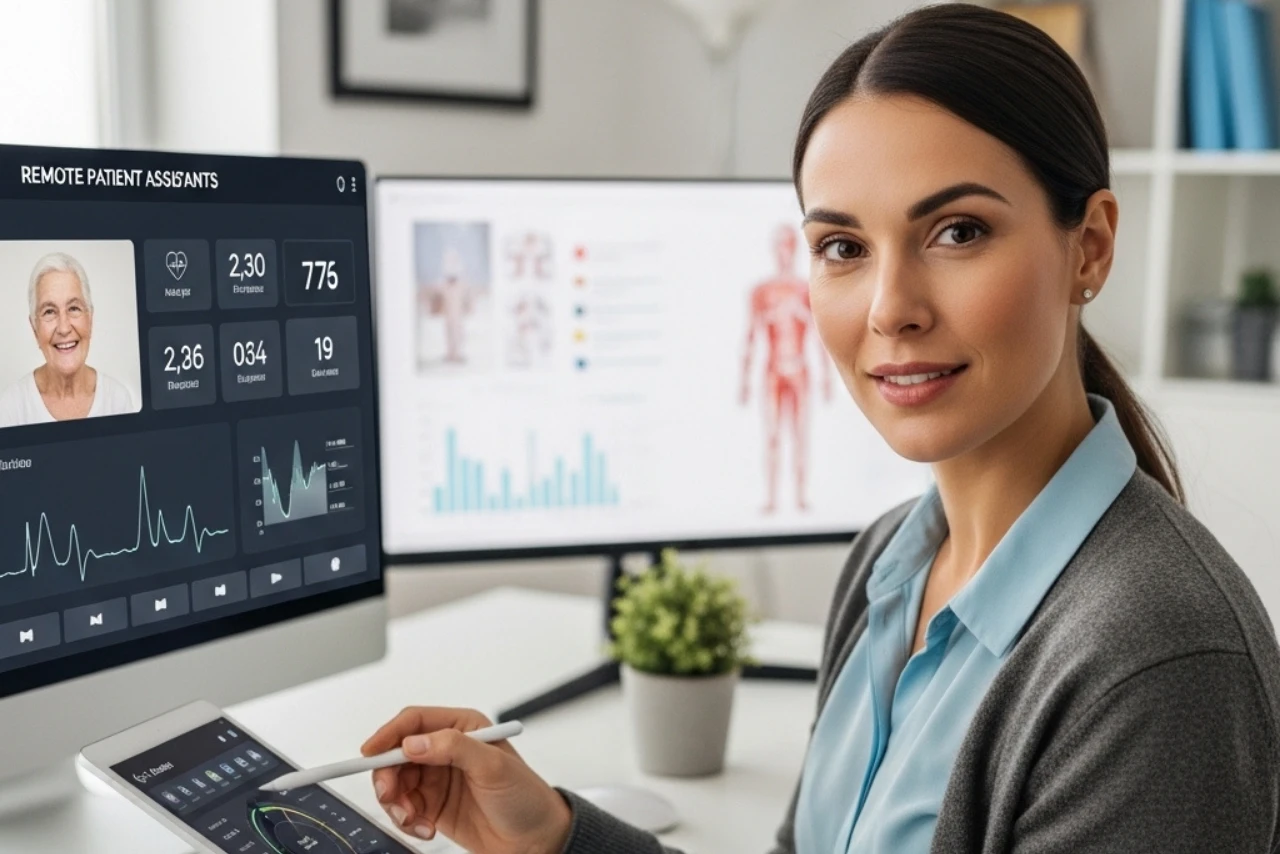
Patient monitoring programs add real clinical value, but they also add daily coordination work that many practices underestimate. When patients monitor conditions from home, the flow of readings, device checks, and follow-up calls creates tasks front office staff weren’t hired to handle.
Clinics expanding remote patient monitoring services in Los Angeles quickly discover that device data and alerts require consistent administrative attention. Without support, these responsibilities fall on busy teams who spend afternoons chasing unreported readings instead of seeing patients.
Remote patient monitoring services in Los Angeles review incoming device data, flag irregular values for providers, and coordinate patient check-ins so clinical staff stay focused on patient care.
Remote patient monitoring creates steady data flow that requires daily attention from practices managing chronic conditions.
These teams share one reality: the volume of incoming patient data exceeds what support staff can manage during regular phone hours.
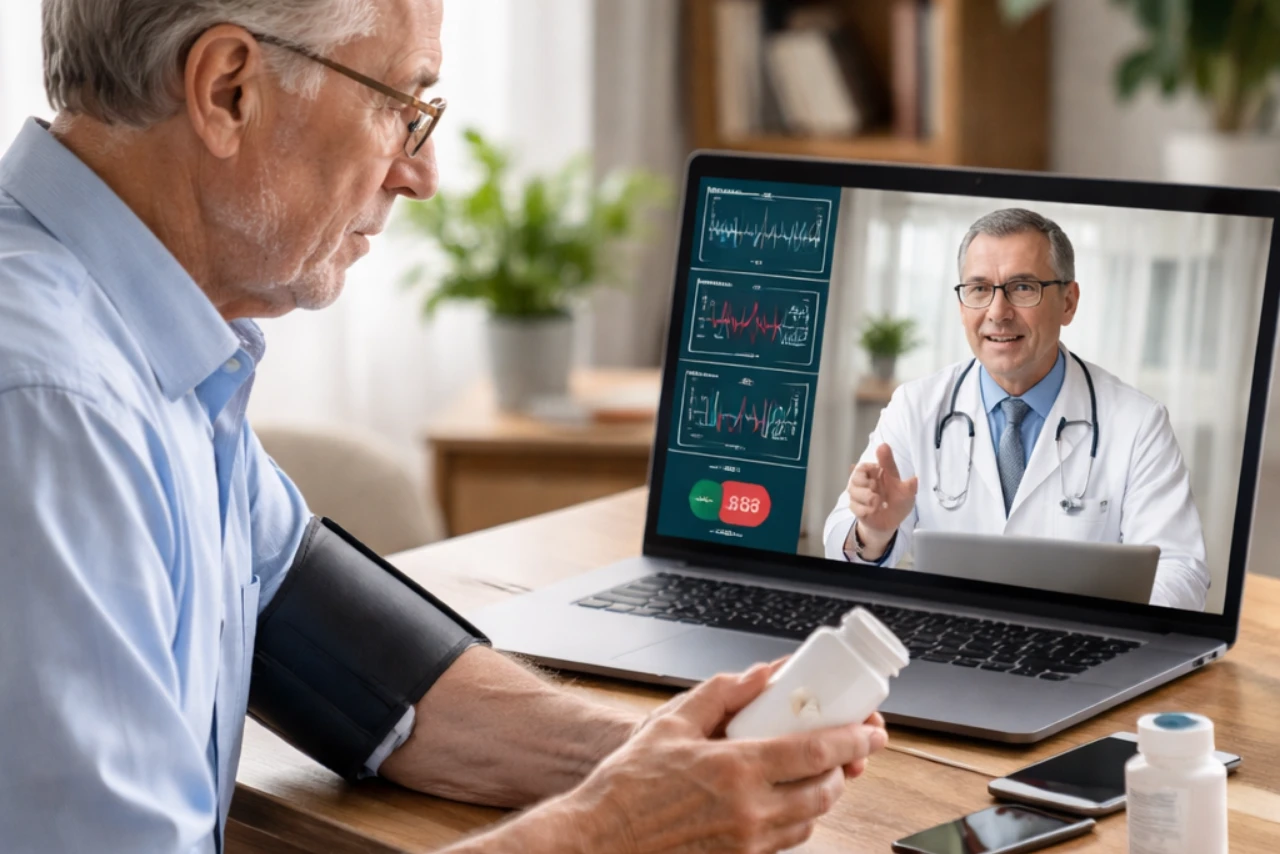
Remote patient monitoring generates daily tasks requiring attention to detail and consistent patient follow-through.
Each morning, assistants review overnight readings and flag values outside expected parameters so clinical staff can review quickly without scanning normal results.
Assistants reach out when patients stop transmitting or devices show problems, troubleshooting basic issues and documenting equipment concerns to reduce disconnected patients.
Assistants track alerts throughout the day and route readings needing attention through your established communication channels following escalation protocols.
Your virtual assistants maintain records required for billing and compliance, including patient contact and reading notes within clinic systems.
Remote monitoring support works best when assistants integrate into existing workflows rather than operating separately.
Assistants track device submissions, organize daily reports, and confirm patient readings so clinical staff stay focused on patient care rather than data entry.
Assistants report unusual readings and coordinate with nurses through your practice management system, so providers receive clear updates without constant interruptions.
Assistants work inside your EHR and monitoring dashboards, following your documentation preferences and communication protocols so operations remain uninterrupted.
Healthcare teams need reliable monitoring coordination without increasing payroll pressure.
For practices seeking the best remote patient monitoring services in Los Angeles, our model provides dependable workflow support rather than temporary staffing.
Programs supporting remote patient monitoring in Los Angeles require routine engagement and documentation coordination. Assistants help keep those responsibilities organized while providers focus on care.
We review your RPM programs, patient volume, and documentation expectations.
Your clinic receives a trained professional familiar with monitoring documentation.
The assistant learns your software and internal communication channels.
Daily reading coordination and alert tracking become part of your routine.
Remote patient monitoring improves outcomes when data reaches providers in usable form. It also requires consistent coordination. VA Health Plus supports remote patient monitoring in Los Angeles by managing communication and workflows. Your team gains reliable support while maintaining full clinical oversight.

They work within your existing systems using secure credentials you provide. Assistants follow the same processes your internal team uses.
Assistants organize submitted readings from monitoring dashboards each morning. Providers receive clear summaries highlighting abnormal values.
Assistants route clinical questions to your nursing staff. They follow established escalation pathways when readings require provider attention.
Yes. They follow your communication guidelines when contacting patients. They confirm readings and troubleshoot basic device issues.
They track alerts generated throughout the day. When readings fall outside expected ranges, they notify staff following your protocols.
Yes. Monitoring interactions are documented within clinic systems. Records include patient contact and communication notes needed for compliance.