Virtual assistants bring structure to monitoring workflows by handling incoming data, maintaining patient reporting routines, and keeping documentation updated so clinical teams can focus on care decisions.


Are your clinicians only seeing patient data after it becomes a problem? Remote patient monitoring in Fresno from VA Health Plus helps clinics stay ahead of incoming readings, patient reporting gaps, and daily monitoring workload.

Fresno clinics are managing more patients who rely on consistent reporting between visits. Daily readings, missed submissions, and patient questions create a steady stream of tasks that do not slow down during clinic hours.
At the same time, front desk activity, appointment demand, and documentation requirements continue to increase. Practices running remote patient monitoring in Fresno often find that monitoring work gets delayed or fragmented. This is why dedicated RPM support becomes necessary.
Virtual assistants bring structure to monitoring workflows by handling incoming data, maintaining patient reporting routines, and keeping documentation updated so clinical teams can focus on care decisions.
RPM generates a continuous stream of patient data that demands consistent, day-to-day oversight from practices handling chronic care.
These clinics benefit when monitoring work becomes structured and predictable.
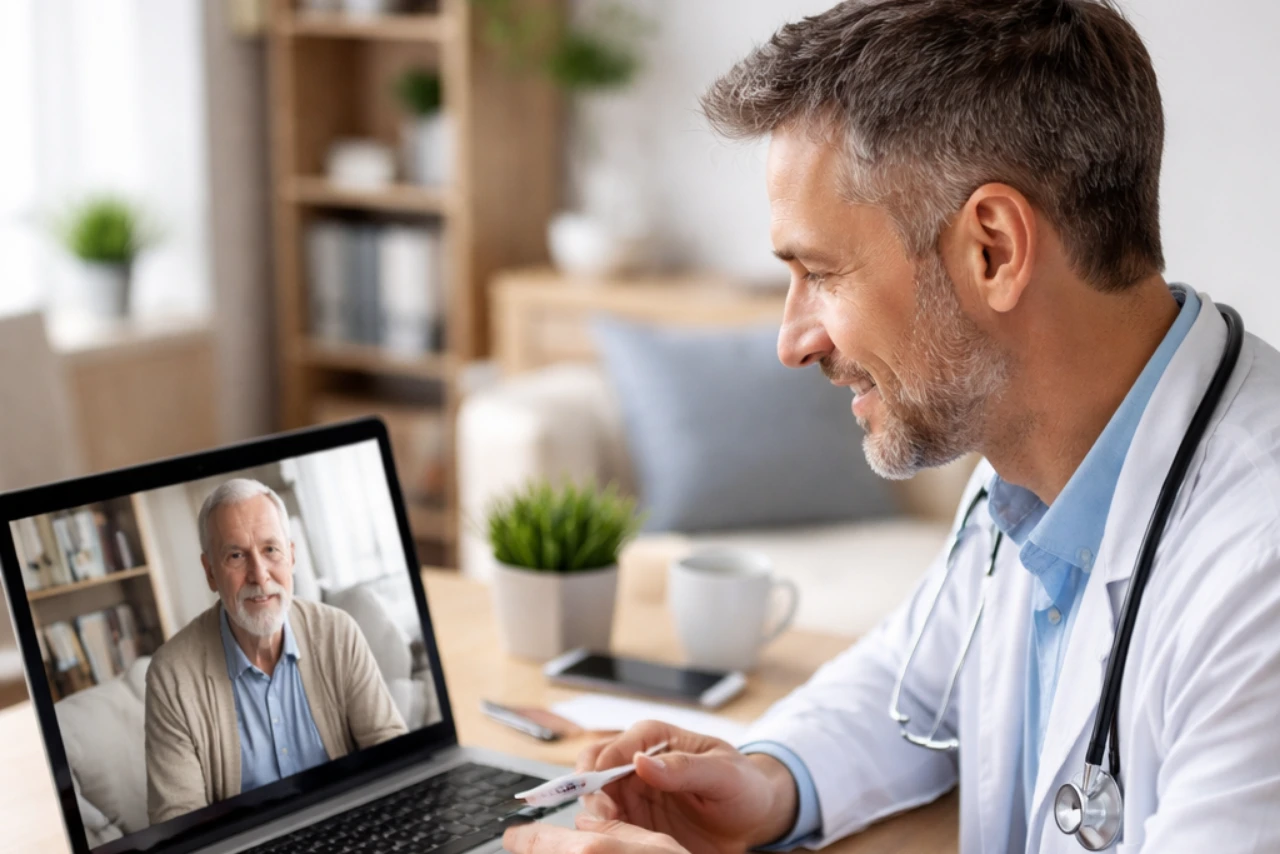
Remote monitoring relies on daily data, communication, and documentation, with virtual assistants managing these tasks to keep programs running smoothly.
Assistants gather readings from different sources and structure them into a clear review flow. This prevents scattered data and ensures every submission is accounted for.
Not all alerts require provider review. Assistants identify which alerts need escalation and which can be handled through routine steps, reducing unnecessary disruptions.
Patients often fall out of reporting routines over time. Assistants follow up consistently to maintain engagement and ensure readings continue without gaps.
All monitoring interactions are recorded as they happen. This keeps patient records aligned with real-time activity and avoids documentation delays.
Monitoring work should not compete with your clinic’s schedule. It should run alongside it, handling tasks that would otherwise be delayed or overlooked during busy hours.
Assistants manage incoming readings and track pending actions throughout the day. This keeps monitoring tasks from stacking up while staff handle patient visits and scheduling.
When data needs attention, assistants route it clearly to the right team member. Staff receive organized updates, improving response time without creating extra communication steps.
Your remote patient monitoring assistants operate within your current tools and workflows from the start. They follow your documentation standards and communication methods.
Clinics using virtual patient monitoring in Fresno often gain better control over daily operations without increasing staff workload.
Practices searching for the best remote patient monitoring services in Fresno typically need structured, dependable support that keeps monitoring running consistently.
Each practice manages monitoring differently, and assistants adapt to those workflows. Clinics using remote patient monitoring services in Fresno benefit from consistent support that keeps care uninterrupted.

We review how readings, alerts, and follow-ups are currently handled in your clinic.
You are paired with a virtual assistant experienced in RPM coordination.
Your assistant adapts to your systems and documentation methods.
Daily patient monitoring tasks begin and expand based on your clinic's needs.
Monitoring only works when data is reviewed, patients stay engaged, and workflows stay consistent. VA Health Plus helps Fresno clinics maintain that consistency without adding internal pressure.

Assistants review readings as they arrive. They organize data and highlight important changes. Providers receive only relevant updates.
Assistants follow up with patients to restore reporting routines. They help resolve issues. This keeps monitoring consistent.
Yes, alerts are reviewed and categorized based on your process. Urgent cases are escalated. Routine alerts are handled without disruption.
All monitoring activity is logged continuously. Records stay accurate and complete. This supports both care and compliance.
Yes, staff spend less time managing monitoring tasks. Focus shifts to patient care. Workflows become easier to manage.
Assistants use your existing platforms. No changes are required. Integration stays simple.