When readings, device questions, and alerts follow a defined response process, the clinic can reduce uncertainty. Patients receive follow-up when needed, and staff can see what happened after each reading.


Patients using home devices often expect confirmation, not silence. Remote patient monitoring in Beverly Hills gives clinics support from VA Health Plus for reading checks, device questions, alert handoff, and RPM documentation.

In Beverly Hills clinics, RPM can involve patients who expect timely communication when readings are submitted, missed, or unclear. A quiet dashboard may not match the level of response patients expect from their care team.
The clinic also needs confidence that every device reading has a status. That is where remote patient monitoring in Beverly Hills needs more than casual dashboard review. It needs a steady reading workflow with patient communication built into the process.
When readings, device questions, and alerts follow a defined response process, the clinic can reduce uncertainty. Patients receive follow-up when needed, and staff can see what happened after each reading.
RPM support is especially useful when patient expectations, provider review needs, and device reporting all require careful handling during the same clinic day.
These practices benefit when device data receives both review and response.
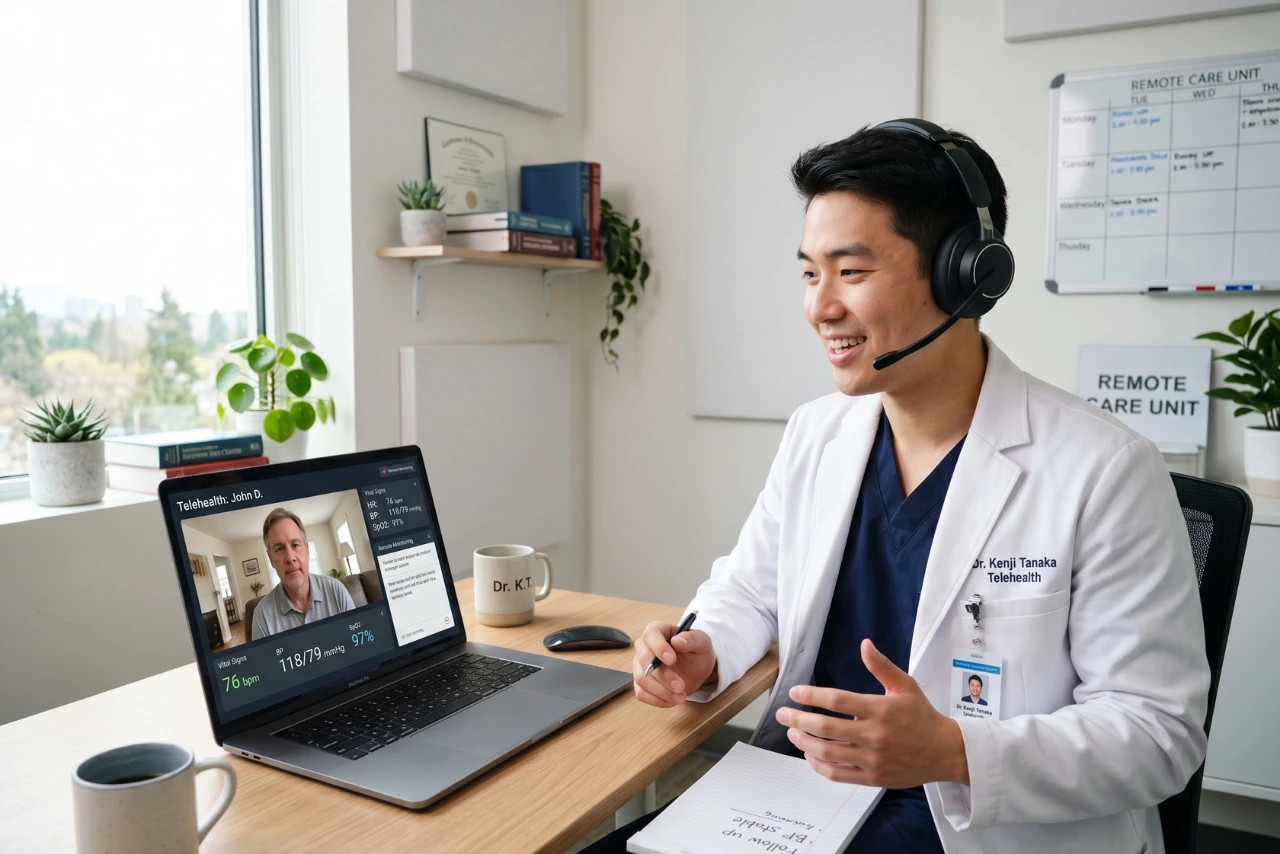
RPM support is not only about seeing a number. Virtual assistants help manage the activity around each reading, including patient questions, missing values, alert movement, and documentation.
Assistants can mark whether readings were received, reviewed, missing, repeated, or waiting for follow-up. This helps the clinic understand where each patient stands inside the RPM workflow.
A remote patient monitoring assistant in Beverly Hills can send readings that match escalation rules to the staff member. Providers remain responsible for clinical judgment and patient direction.
Patients may need help why a reading did not transmit, why an entry looks incomplete, or when to submit. Assistants can follow approved communication steps for those issues.
RPM records should show more than submitted values. Assistants help document patient contact, reading status, alert handoff, device concerns, and unresolved reporting items.
Device monitoring often creates small communication needs throughout the day. Those needs can distract staff when they are mixed with calls, scheduling, insurance questions, and provider messages.
Assistants can review whether expected readings were submitted and identify gaps in reporting. This helps clinics act before several missed days pass unnoticed.
When a reading meets clinic criteria, assistants can prepare a concise handoff through the approved channel. This keeps the alert trail easier for providers and staff to follow.
Assistants work inside your existing RPM platform, EHR notes, and communication process. The clinic does not need to replace its current system to receive support.
Clinics using virtual patient monitoring in Beverly Hills often need patient-facing support that feels organized, prompt, and consistent.
Practices comparing the best remote patient monitoring services in Beverly Hills usually want support that protects both patient confidence and clinical review flow.
Each practice uses RPM differently. Clinics offering remote patient monitoring services in Beverly Hills benefit when device data and patient communication are handled as one connected workflow.
We review how readings, device questions, alert messages, and patient follow-ups are currently handled.
Your clinic is matched with support familiar with RPM platforms, patient reporting issues, and reading documentation.
Reading status rules, escalation channels, patient contact steps, and note requirements are confirmed by our remote CCM assistant.
The assistant starts supporting reading checks, device-related patient communication, alert handoffs, and RPM notes.
RPM works better when patients know their readings are not disappearing into a dashboard. VA Health Plus gives Beverly Hills clinics a steadier way to manage device data, questions, alerts, and notes.

Yes. Assistants can contact patients about missed readings or reporting routines using the clinic’s approved instructions and communication timing.
The assistant can note the issue, contact the patient if approved, and document the status so the clinic can see what needs follow-up.
Yes. Assistants can include reading status, patient reporting details, and related notes when routing values through your clinic’s escalation process.
Yes. Device-related questions, contact attempts, reporting concerns, and unresolved items can be recorded inside your RPM workflow.
Yes. Device reporting questions can move through a defined process, reducing repeated interruptions for staff handling live clinic duties.
Yes. When readings and reporting issues receive follow-up, patients are less likely to feel ignored after submitting device data.