





Falling behind on RPM alerts and patient readings? A remote patient monitoring virtual assistant handles daily monitoring, patient coordination, and documentation so your team can focus on care decisions. Get expert support to keep workflows organized and efficient.
At VA Health Plus, our remote patient monitoring VA helps healthcare teams manage continuous patient data, chronic condition tracking, and digital care programs. We assist:
Remote patient monitoring requires daily oversight of vital signs, structured documentation, and consistent patient engagement. Our remote health monitoring assistant services provide trained, HIPAA-compliant administrative support to keep RPM programs running smoothly. Core support includes:
Monitor incoming vitals such as blood pressure, glucose levels, etc. from connected monitoring devices. Track trends and flag readings that fall outside provider-defined clinical thresholds.
We manage coordination and administrative tasks related to RPM so providers can review patient data without constant workflow disruption.
Track RPM service time, support documentation accuracy, and assist administrative readiness for Medicare-aligned remote patient monitoring services billing.
Maintain accurate RPM documentation, update patient charts, log readings, and record patient interactions within EHR and EMR systems.
Coordinate non-clinical communication between patients, nurses, and providers to support adherence, follow-ups, and care coordination.
Support virtual check-ins, assist with device-related coordination, and manage non-clinical documentation related to remote monitoring equipment.
Route critical readings to clinical staff following defined escalation protocols and assist with referral coordination when additional care is required.
Our professional team helps identify workflow gaps, standardize monitoring routines, and improve task efficiency as patient enrollment increases.
Our RPM virtual assistants handle remote monitoring workflows, alert management, and accurate documentation consistently.
Every remote patient monitoring VA follows strict HIPAA privacy, security, and data-handling protocols.
We manage monitoring tasks, RPM documentation, and care coordination with reliable daily follow-through.
Our team oversees onboarding, workflow coordination, and ongoing remote patient monitoring assistance efficiently.
Scale RPM support based on patient volume, program growth, and seasonal service demand.
Receive structured updates, organized summaries, and reliable RPM task reporting for daily operations.
At VA Health Plus, our virtual assistants for remote patient monitoring understand specialty-specific monitoring needs and administrative workflows.
Getting RPM support is simple and structured.

Share details about your RPM setup, connected devices, patient volume, and daily workflow needs.
We provide a carefully selected shortlist of trained remote patient monitoring virtual assistants.
Choose your assistant, verify system access, and finalize responsibilities for RPM program support.
We guide system access, reporting standards, and daily RPM workflows for smooth integration.
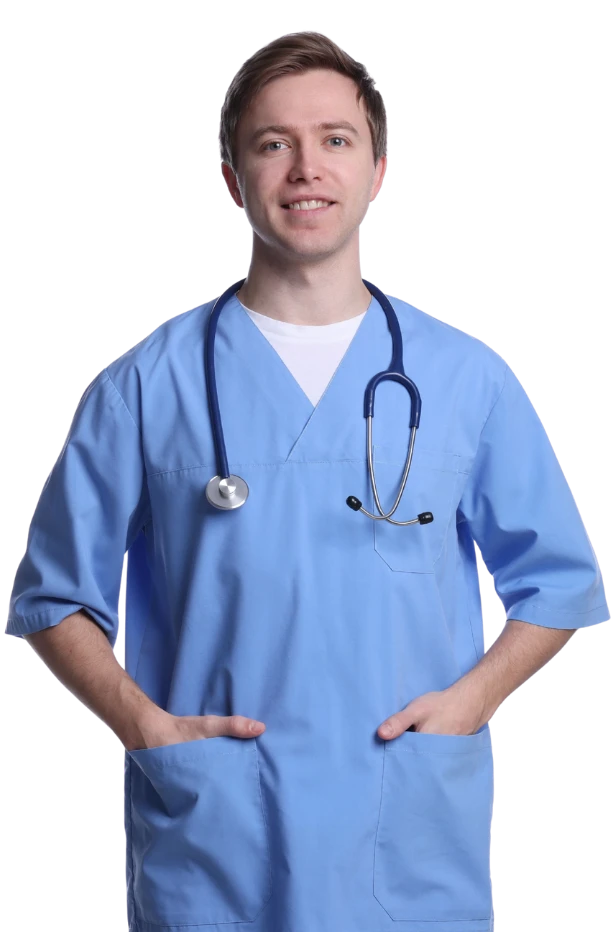
Hire a remote patient monitoring virtual assistant or RPM virtual assistant who supports your RPM program with accuracy, consistency, and healthcare-focused training. Reduce administrative pressure while keeping patient monitoring organized and reliable.
Remote patient monitoring (RPM) allows healthcare providers to track patients’ vital signs and chronic conditions outside the clinic. It improves care coordination, enables early intervention, and supports data-driven clinical decisions for better patient outcomes.
Remote patient monitoring improves patient outcomes by enabling continuous tracking of vital signs and chronic conditions. It enhances care coordination, reduces hospital readmissions, and allows providers to intervene early with data-driven insights.
No, RPM is a subset of telehealth focused on continuous patient data collection and monitoring. Telehealth broadly includes virtual visits, consultations, and communication, whereas RPM specifically tracks vitals and alerts remotely.
A common example is continuous blood pressure or glucose monitoring for hypertensive or diabetic patients. Devices automatically transmit data to providers, who can review trends, adjust treatment, and intervene proactively if readings are abnormal.
RPM is expected to expand with AI-driven analytics, wearable technology, and integrated EHR systems. Increased adoption will enhance chronic care management, patient engagement, and proactive interventions in both home and clinical settings.